Updated 05 / 19 / 2026
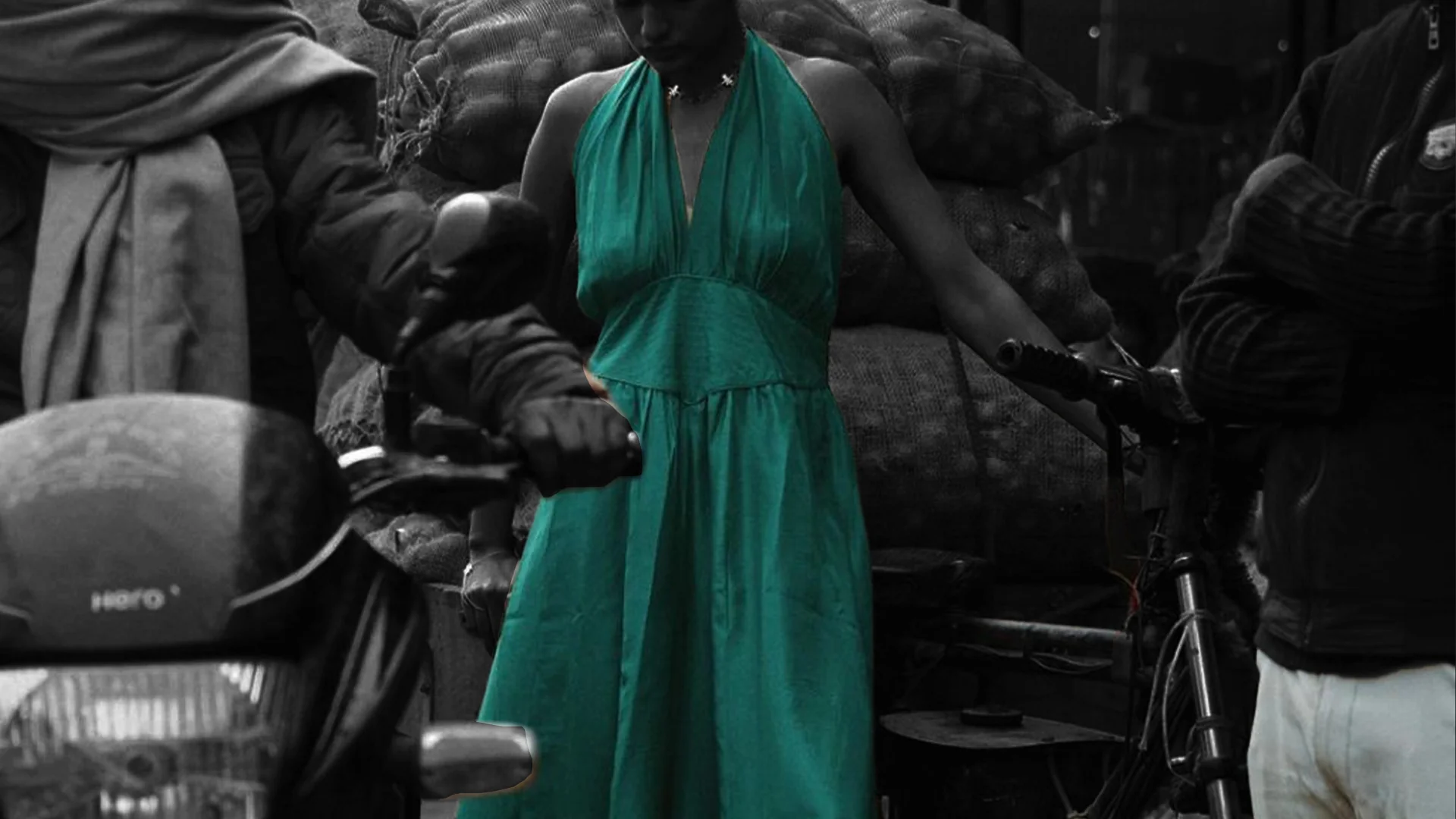
Planning to move to Mumbai or Delhi? Here is the complete wardrobe checklist that Indian women should have when moving to Mumbai or Delhi.

Aeza Editorial
Core team
Moving cities is exciting. It is also the moment you realise your wardrobe was built for a life you are leaving behind.
Whether you are headed to Mumbai's coastal humidity or Delhi's dramatic winters, your clothes need to work as hard as you do. Here is exactly what to pack, what to leave behind, and how to dress for the city you are moving into — and if the move comes with a new job, our guide on what to wear on your first day at a new office in India is the natural companion read.
Indian women leave their homes in search of work, love, education, or personal aspirations. In the second month, almost all of them say the same thing: "I have no clue about what to wear here." It is not because they did not pack correctly, but because they did not pack for the right city.
Mumbai and Delhi have completely different climates, cultures, and dress codes. A wardrobe that worked in Pune or Chennai, or Lucknow, will not automatically translate. Understanding what each city actually demands, before you land, saves you from spending the first three months buying things you could have brought with you.
This checklist fixes that.
Mumbai is not just hot. It is wet, sticky, salty, and relentlessly humid for most of the year. Fabric choice matters more here than anywhere else in India.
Fabrics that survive Mumbai:
Fabrics to retire or keep minimal:
The city's social scene skews casual-chic. You can wear a well-cut linen co-ord to a restaurant that would require formal wear in Delhi. Lean into that.
Delhi is a city of extremes. Summer hits 45°C. Winter drops to 5°C. Monsoon arrives with intention. If Mumbai demands light fabrics, Delhi demands a range.
Build your Delhi wardrobe around layers:
The single most useful thing you can own in Delhi is a good transitional jacket, something between a blazer and a light coat. Delhi winters are real. Pack your woollens. Don't let anyone from a coastal city convince you otherwise.
Delhi wardrobe must-haves:
Delhi dresses with intention. People notice fabric quality, tailoring, and put-together-ness in a way that is different from Mumbai's effortless vibe.
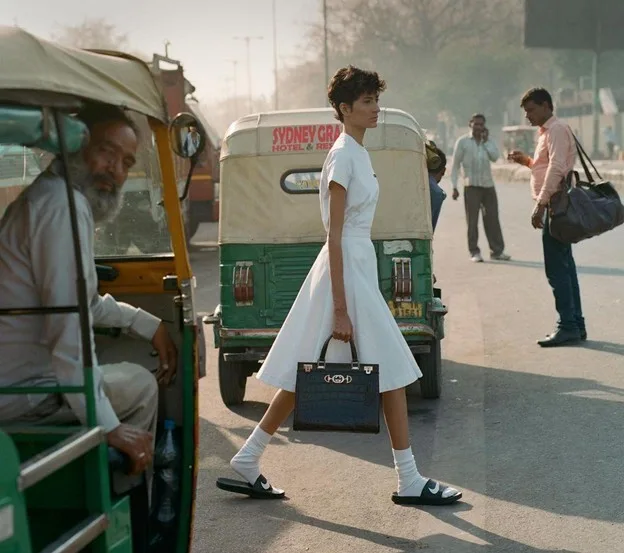
If you are moving and building from scratch, these are the pieces that earn their space regardless of which city you are in.
Ethnic wear essentials:
Western basics:
Accessories and outerwear:
The dress code differences between Mumbai and Delhi offices are subtle but real.
Mumbai's work culture, especially in media, finance, startups, and fashion, trends toward smart-casual. Fitted trousers with a clean tuck-in top. A kurta with tailored pants. A well-ironed linen dress. The emphasis is on polish without stiffness.
Avoid being overdressed in casual tech or startup environments, as you will stand out for the wrong reason. Conversely, creative industries in Mumbai reward personal style. Your wardrobe can have more personality here — our aesthetic guide for Indian women helps you figure out which direction you naturally lean.
Delhi's corporate spaces, government-adjacent roles, law firms, large corporates, or any role with client-facing responsibilities, tend toward formal. Sarees and salwar suits carry real weight here as professional wear. A well-draped saree in an office setting in Delhi commands respect in a way that is specific to the city.
Startups and media in Delhi lean casual-creative, similar to Mumbai. But the traditional and government sectors are firmly formal.
The overlap rule: When in doubt in either city, a well-fitted kurta with straight trousers and clean footwear is never wrong. It reads professional, India-specific, and put-together across almost every industry.
A new city can shake your sense of self. Your old references are gone. You don't know where people shop, what they wear, or what signals you are sending with your clothes. That uncertainty is uncomfortable.
How to dress confidently when you don't like how you look right now comes down to one thing: structure.
When you are unsure of everything else, wear clothes that have a defined shape. A structured kurta over loose pants. A blazer over a plain outfit. A well-defined waistline on a dress. Structure reads as confidence even when you don't feel it yet. Your brain registers "put-together" before your feelings catch up.
Three specific tips for the transition period:
Both cities have extraordinary shopping, but they specialise in different things.
Buy in Mumbai:
Buy in Delhi:
Buy online before you move: Basic wardrobe building blocks: t-shirts, plain kurtas, straight trousers, are better bought before the move, when you have time to think rather than stress-shopping after a long workday.
Before you pack, take 45 minutes and pull out everything that fits any of these criteria:
Leave those behind. A smaller wardrobe of things that actually work serves you better than a large wardrobe of things that do not.
The goal is to arrive with clothes that are ready to work, not clothes that need explaining.
Moving to Mumbai or Delhi is one of the most energising things you can do. Your wardrobe should match that energy.
Firstly, build your wardrobe according to the climatic conditions of the city you live in. Second, add your professional clothes and occasion outfits — if it's a new job, our guide on what to wear on your first day at a new office in India is the natural next read. Always keep Indian culture specific, and ethnic clothing finds a place in both cities.
And when you need help figuring out what actually works for your body type, skin tone, and the occasions your new city throws at you, Aeza, India's AI Commerce platform for fashion, gives you personalised outfit recommendations built specifically for Indian ethnic and western wear. Free to use, available 24/7, and trained on Indian fashion from the ground up.
Your new city deserves a wardrobe that is ready for it. Build it with intention.
Try Aeza Free! Find Your Style for Your New City.
.webp)