Updated 05 / 19 / 2026
.webp)
Lost weight and need to rebuild your wardrobe? Learn how to dress after weight loss India, with a phased approach to alteration and smart wardrobe rebuilding.

Aeza Editorial
Core team
You worked hard to get here. Now nothing fits, and the urge to buy everything at once is very real.
Knowing how to dress after weight loss india is a genuinely different challenge from regular wardrobe building. Your body has changed. Your sense of what fits, what flatters, and what feels like you is being recalibrated in real time. While you adjust, our honest guide on how to dress when you don't like how you look right now is built for exactly the mid-transition stage.
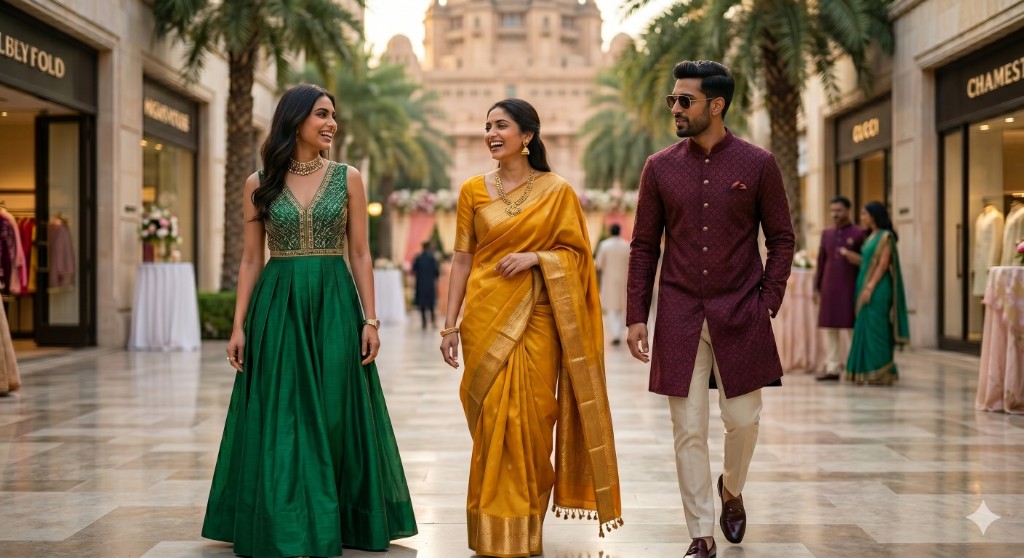
And the Indian fashion context adds its own layer, ethnic wear sizing, occasion dressing, and the mix of western and traditional pieces that most Indian women actually wear.
Buying everything impulsively right now often leads to the same problem you had before: a full wardrobe that doesn't quite work.
This guide gives you a phased, intentional approach to rebuild wardrobe after weight loss, without wasting money or starting from scratch.
Losing weight feels like a fresh start, and it is. But the instinct that follows, to immediately replace every item in your wardrobe, almost always leads to a second wardrobe crisis six months later.
This is because you tend to keep on changing for many months even after weight loss. That which fits perfectly well two months down the line could look completely different after five months. By spending a lot of money on clothes just after reaching an important milestone, you are likely to purchase clothes for your body, which has not yet fully settled.
You need to start with the basics. Invest in the statement pieces when you are sure about your new size.
This is just like redecorating a room; you cannot furnish a room while painting is still going on.
Before you replace everything, spend two to three weeks in observation mode. Notice:
Most wardrobes after weight loss fall into three categories: alter, keep, replace. Getting clear on which item belongs where saves you from panic-buying and gives your rebuild wardrobe process a real foundation. Once you know what stays, rebuilding around a capsule wardrobe system for India keeps the new wardrobe lean and mix-and-match.
This is the step most people skip, and it's the most important one.
Pull everything out. Try it on. Be honest. Sort into three piles:
Keep: fits well right now or fits with minor adjustment
Alter: good quality, good style, just needs tailoring at the waist, shoulders, or hem
Let go: too large to alter cost-effectively, or styles you genuinely don't want anymore
In Indian wardrobes, ethnic pieces deserve extra attention here. Many Indian garments, salwar suits, anarkali kurtas, sarees with a fall and a petticoat, can be altered more significantly than Western pieces. A kurta that's two sizes too large can often be taken in at the sides and waist for a fraction of the replacement cost.
This rule is especially relevant for Indian wardrobes: always explore alteration before replacement for ethnic pieces.
Here's why. Quality ethnic wear, a good silk kurta, an embroidered salwar set, and a worked lehenga blouse are expensive to replace. A skilled local tailor can take in most of these pieces significantly. The fabric and craft remain. Only the fit changes.
Western basics, T-shirts, casual tops, and fitted denim are harder to alter and usually cheaper to replace. Prioritise alteration for ethnic formal and occasion wear, and replacement for everyday western basics.
This sounds obvious. It's actually the part most women find hardest.
After significant weight loss, the way your body carries weight has shifted. Your proportions may be different from what you remember, or what you assumed they'd look like at this size. The body you have now is not automatically the same as the body you had the last time you were at this weight, especially if that was years ago.
Take new measurements. All of them: bust, waist, hips, shoulder width, and inseam. Don't guess. Don't go by how a size label feels. Go by actual numbers.
Weight loss changes which silhouettes work best for your body. Cuts that didn't suit you before might now be your best options. Styles you relied on before might no longer flatter in the same way.
A few shifts that are common after weight loss in Indian wardrobes:
Give yourself permission to experiment with silhouettes you dismissed before. Your new starting point is genuinely different.
A phased rebuild wardrobe approach protects you from two problems: spending too much too soon, and ending up with another disconnected collection of individual pieces that don't work together.
Phase 1: The Immediate Essentials (Week 1–2)
Cover the daily non-negotiables first. These are pieces you need for your actual life right now, work, casual daily wear, and one or two ethnic options for upcoming occasions.
Immediate essentials for most Indian women:
That's it for Phase 1. Resist adding more.
Phase 2: The Foundation Layer (Month 1–2)
After you've become comfortable with what you need for right now, and after your size is more consistent, then add the basic layers, the clothing items that allow the rest of your wardrobe to come alive.
Foundation clothing items for Indian wardrobes:
None of these are thrilling shopping choices, but they're the building blocks for multiplying your outfit options.
Phase 3: The Investment and Expression Layer (Month 3+)
That's when you put your personal touch, the party outfits, and those items that really get your attention.
Phase 3 is when you wait until your body size stabilizes for at least 6-8 weeks before buying anything.
Phase 3 additions:
This is the mindset shift that changes everything about how to dress after weight loss india, and it's the hardest one to actually implement.
Many women in the middle of a weight loss journey dress as a placeholder. They buy cheap, they don't invest, they tell themselves they'll "really" update their wardrobe when they reach the final goal. In the meantime, they wear clothes that don't fit well and don't reflect how they actually look or want to feel.
This is a real cost. You live in your body every day. You deserve to feel good in your clothes at every stage of the process, not just at a future destination.
Dressing well for your current body isn't giving up on your goals. It's showing respect for the progress you've already made.
The Indian social calendar does not take a break when it comes to changing clothing. Weddings, parties, work functions, and family gatherings go on no matter which stage of the process one is at.
In cases where events occur during the transition period, the best method would be:
Rebuilding a wardrobe after weight loss means making outfit and styling decisions for a body you're still getting to know. That's genuinely difficult, especially when most fashion content is built for stable, well-established wardrobes.
An AI fashion stylist india tool built for Indian women changes this dynamic. Instead of guessing what works for your new proportions, you get recommendations based on your actual current body type, your skin tone, and your real occasions — see 10 outfits that build confidence at any size or shape for a ready starting set.
For Indian wardrobes specifically, this means:
The guesswork of rebuilding gets significantly smaller when you have a styling reference point built around you.
Refilling your wardrobe after losing weight can be the most gratifying fashion project you will ever undertake, as long as you approach the task deliberately, rather than reactively. Begin by auditing your clothes. Next, modify your old clothes before purchasing anything new. Lastly, dress yourself for how you look now, rather than how you may look someday — our honest guide on how to dress when you don't like how you look right now is built for that mid-rebuild stage.
Aeza is India's AI commerce platform for fashion, built to support exactly this kind of rebuilding process for Indian women. From body-type-aware personalised outfit suggestions to guidance across Indian ethnic and western wear, Aeza gives you a confident, personalised starting point at every stage of your wardrobe rebuild.