Updated 06 / 07 / 2026
.webp)
Copying influencers won't build a wardrobe that works for you. Here's a practical guide to figuring out your personal style in India, for your needs and vibe.

Aeza Editorial
Core team
Scrolling through Instagram and saving outfits you'll never wear is not a style strategy. It's a habit. And it's keeping most Indian women stuck — usually in the same loop as the wardrobe-full-but-nothing-to-wear problem.
How to find your personal style in India is one of the most searched fashion questions, and most of the advice out there is built for a Western wardrobe, a Western climate, and Western body standards. That's the gap this guide fills.
Your personal style is not a mood board. It's not a Pinterest aesthetic with a one-word label. It's the combination of what fits your actual body, flatters your skin tone, works for your actual life, office Mondays, Diwali dinners, Sunday brunches, everything in between, and feels like you when you put it on — start with our aesthetic guide for Indian women if you don't know which direction you naturally lean.
The reason most women in India struggle with this isn't a lack of fashion knowledge. It's that nobody has ever asked them the right questions. Influencers show you what looks good on them. Stylists tell you what's trending. Neither of those is your personal style.
This guide is different. It starts with you.
Influencer culture has made fashion more accessible and more confusing at the same time.
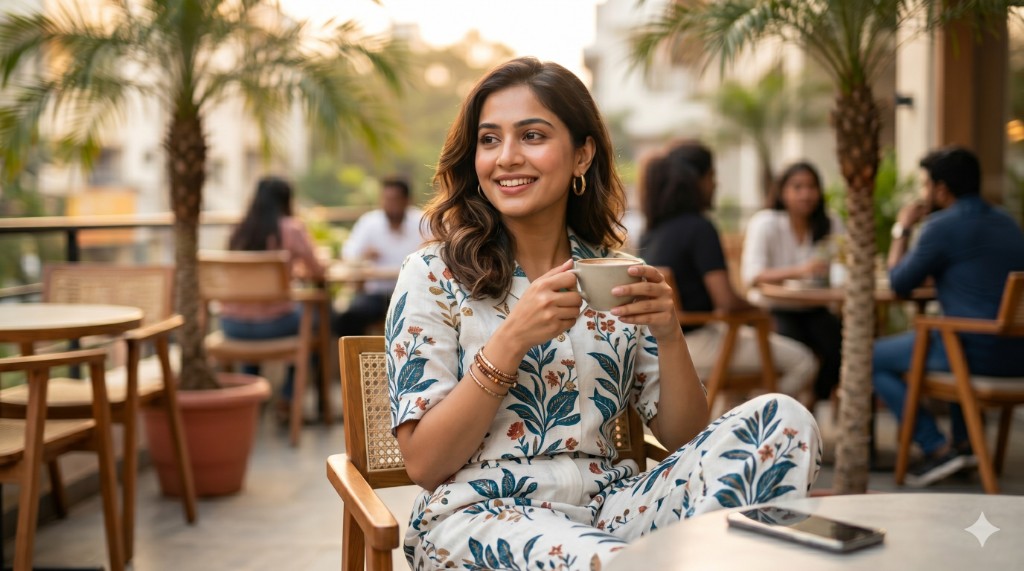
You see a creator in a linen co-ord set, save it, order it, and then it sits unworn because you have nowhere to wear a linen co-ord. You see someone style a saree a certain way, try it yourself, and it just doesn't land the same.
That's not a failure of taste. That's a mismatch between inspiration and identity.
Influencers dress to post content. Influencers' clothing is designed to look good on screen and in front of the camera. However, most of what influencers wear does not last long outside the realm of Instagram. It doesn't endure the daily grind, an hour-long commute, an air-conditioned office that's too chilly.
Their body proportions are different. Their skin tone is different. Their lifestyle is different.
Saving their looks is fine for inspiration. Building your wardrobe around their choices is where it goes wrong.
Before you touch a single trend or influencer reel, answer these three things honestly.
Write down your week. Monday to Sunday. Where do you go, what do you do, who do you see?
For those working from home on four days per week, more clothing choices for comfort with style rather than office wear must be considered. For people who frequently participate in family functions, ethnic wear is essential rather than an option.
Your style has to fit your life first. Everything else is decoration.
There's a difference between an outfit that photographs well and an outfit you feel confident in all day.
Most women can name the clothes they always reach for. The kurta fits perfectly. The jeans that work with everything. The saree drape that feels effortless.
That list is the beginning of your personal style. It's telling you something.
Your unworn clothes are data. Go through your wardrobe and pull out everything you've bought but barely touched.
Is it the silhouette? The colour? The occasion it was bought for, that never happened? The way it fits your body?
Patterns in what you avoid tell you as much about your style as what you love.
This is where a lot of global style advice completely fails Indian women.
The color schemes created keeping in view the skin tone of Westerners do not work for Indian skin tones, which can vary from pale to dark, each responding to light sources like natural sunlight, office lights, and flashes in different ways.
Tones for Indian skin include neutral-warm and warm tones. Jewel colors, deep green, mustard, burgundy, and cobalt make gorgeous photographs as well as in-person wear. Pastel tones are great too, provided that they're muted tones, since some skin tones do not take pastel tones. Neon tones are very difficult unless you know your undertones.
The best way to test this: take three colours you think look good on you. Hold them against your face in natural light. The one that makes your face look more awake and even-toned is your colour.
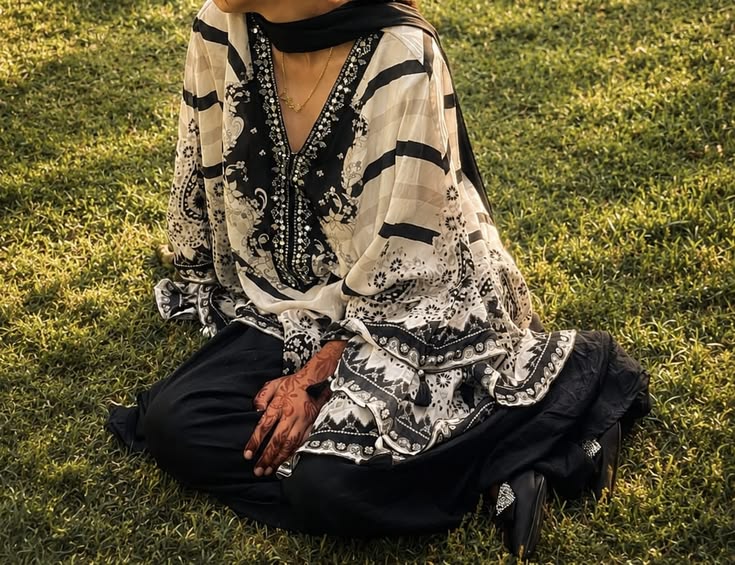
Fashion in India has always been more aware of body diversity than fashion in the West. Silhouettes such as the anarkali, A-line kurta, and palazzo suit are inherently flattering on all bodies — see 10 outfits that build confidence at any size or shape for ready-made starting points. The issue lies in the fact that women have been advised on what silhouette not to wear, instead of being told what silhouettes to wear.
Fashion should not be about covering up your body; it should be about balancing your proportions. Hip width looks different in a straight-cut kurta as compared to a flared one.
This is where personalised outfit suggestions built on your actual measurements and body type make a real difference, instead of generic advice.
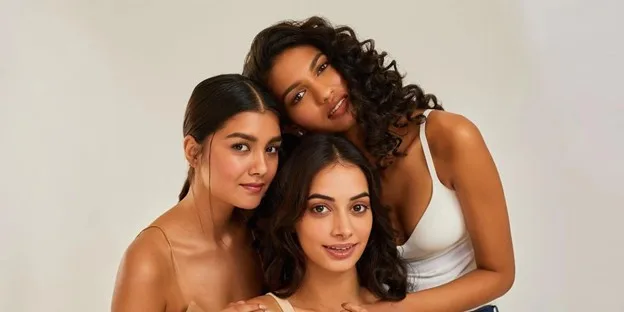
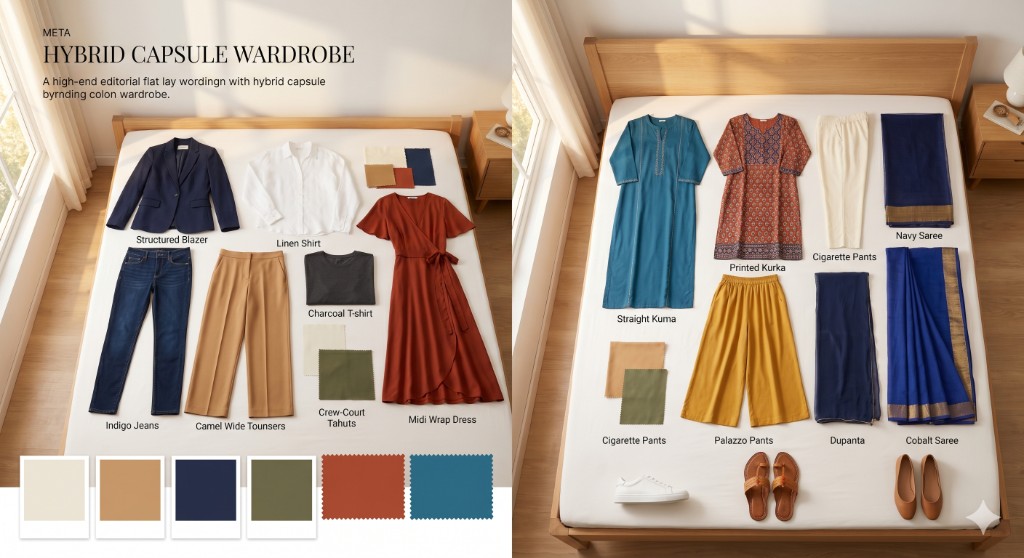
One of the unique challenges of finding your personal style in India is that most Indian women dress across two completely different wardrobe systems, ethnic and western, and often treat them as separate.
They're not. Your personal style runs through both.
Look at what you gravitate toward in both. Do you tend toward clean lines and minimal detail, in both your salwars and your western separates? Do you like colour and print, whether in a kurta or a co-ord? Do you prefer structure or ease?
That common thread is your aesthetic. It exists whether you're wearing a saree to a wedding or jeans to brunch.
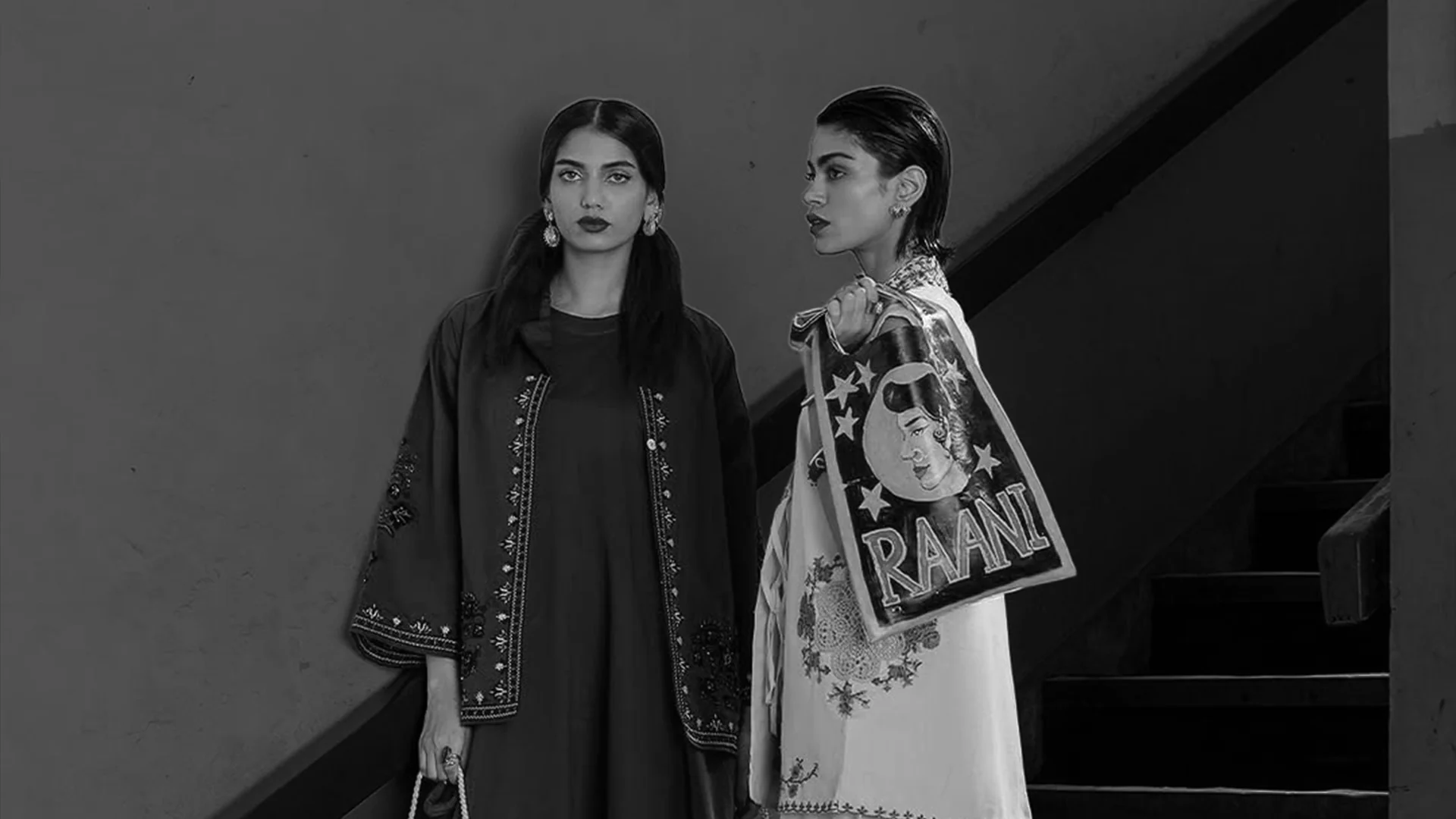
Indian women have been doing fusion styling long before it became a trend. A kalamkari kurta over straight trousers. A silk dupatta with a blazer. Kolhapuris with western dresses.
Fusion works when it's intentional, not accidental. Knowing your aesthetic makes it intentional.
Now that you know what works for your body, skin tone, and life, here's how to actually build it.
Before purchasing anything new, know your current inventory. Most Indian women would be shocked to discover how many things they own and do not remember. A simple fashion inventory would show how 10 to 15 items of clothing can simply be styled differently.
Now that you've discovered what is there, compare it to your life. Is there enough casual wear, or is everything occasion wear? Do you have ethnic clothes that fall into any categories, such as casual ethnic, festive ethnic, formal ethnic, or simply ethnic wear?
Gaps are worth filling. Random purchases are not.
Pick 3–5 images of outfits that feel like you, not just outfits you like, but outfits you could imagine wearing on a real day in your real life. These become your style reference, not your style copy.
Use them as a filter when shopping. If something doesn't fit the feeling of those 5 images, it probably won't fit your wardrobe either.
Personal style is built through repetition. Wear things. See what you reach for again. See what you avoid. Let your wardrobe evolve based on what you actually live in, not what you theoretically like.
Most style quizzes online are built on Western fashion categories: boho, minimalist, streetwear, and classic. They have no framework for Indian ethnic wear, no concept of Indian skin tones, and no understanding of the Indian social calendar.
The result is a style label that sort of fits and mostly doesn't.
An AI fashion stylist India solution has to be built differently, trained on Indian fashion data, with an actual understanding of ethnic wear categories, Indian skin tone ranges, Indian body type diversity, and the range of occasions Indian women actually dress for.
That's not a small distinction. It's the entire product.
Personal style in India is not one thing. It's ethnic, western, and fusion. It's formal and casual and festive and everyday. It's built on your body, your skin tone, your life, not someone else's reel.
The process is simpler than it sounds. Understand what you already wear. Identify what actually works for your body and colouring — our aesthetic guide for Indian women is a useful place to start. Build a wardrobe around your real life, not your aspirational one, ideally as a capsule wardrobe built for the Indian context, and pair it with the 10 outfits that make you feel confident at any size or shape.
Tools like Aeza are built specifically for this, an AI commerce platform for Indian fashion that gives you outfit recommendations, virtual try-on, and style guidance trained on Indian ethnic and western wear. Free to use, and built for the wardrobe decisions that actually matter to Indian women.
Find your style on Aeza, India's AI fashion stylist. Free to use, personalised for you.